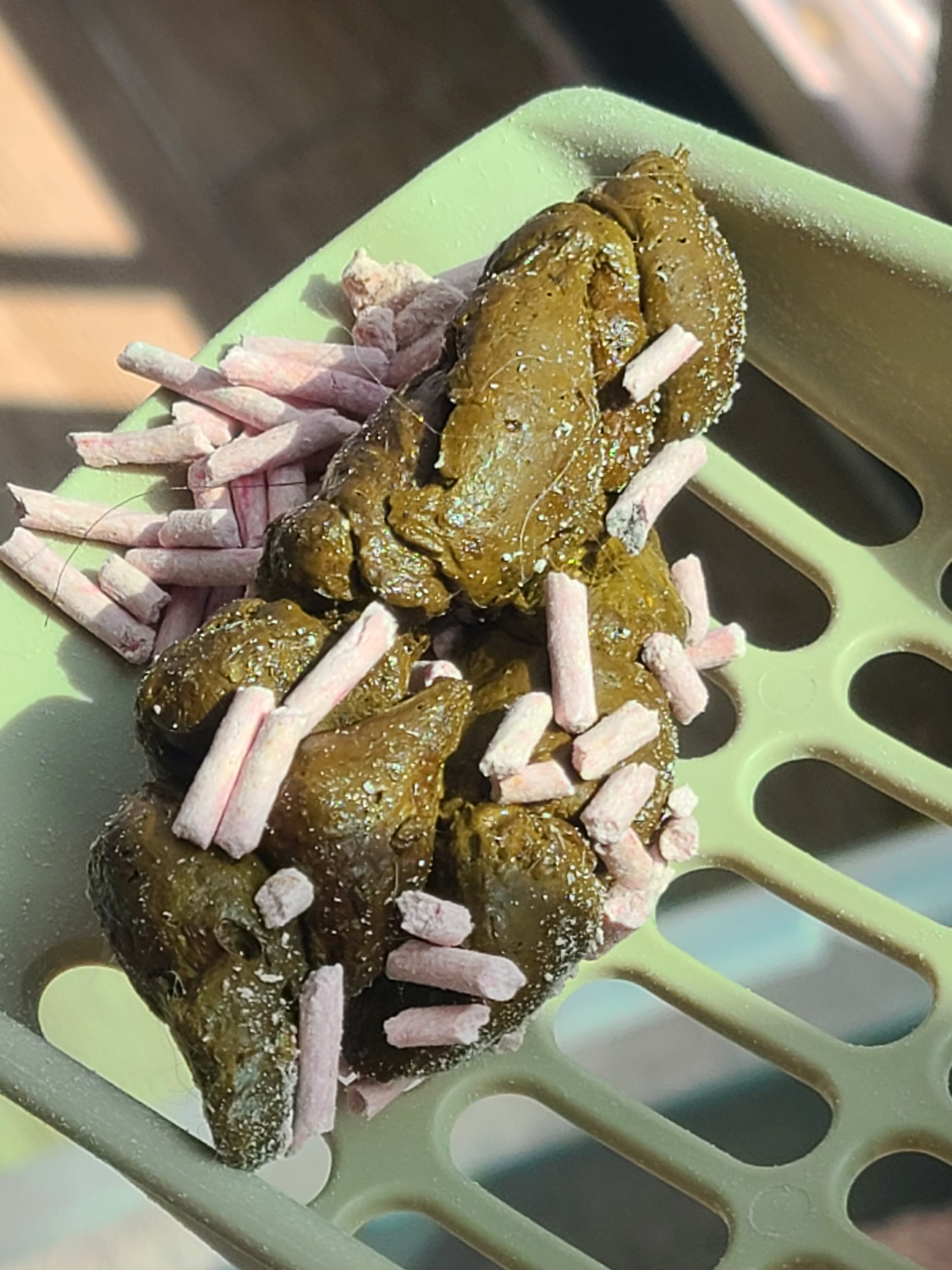
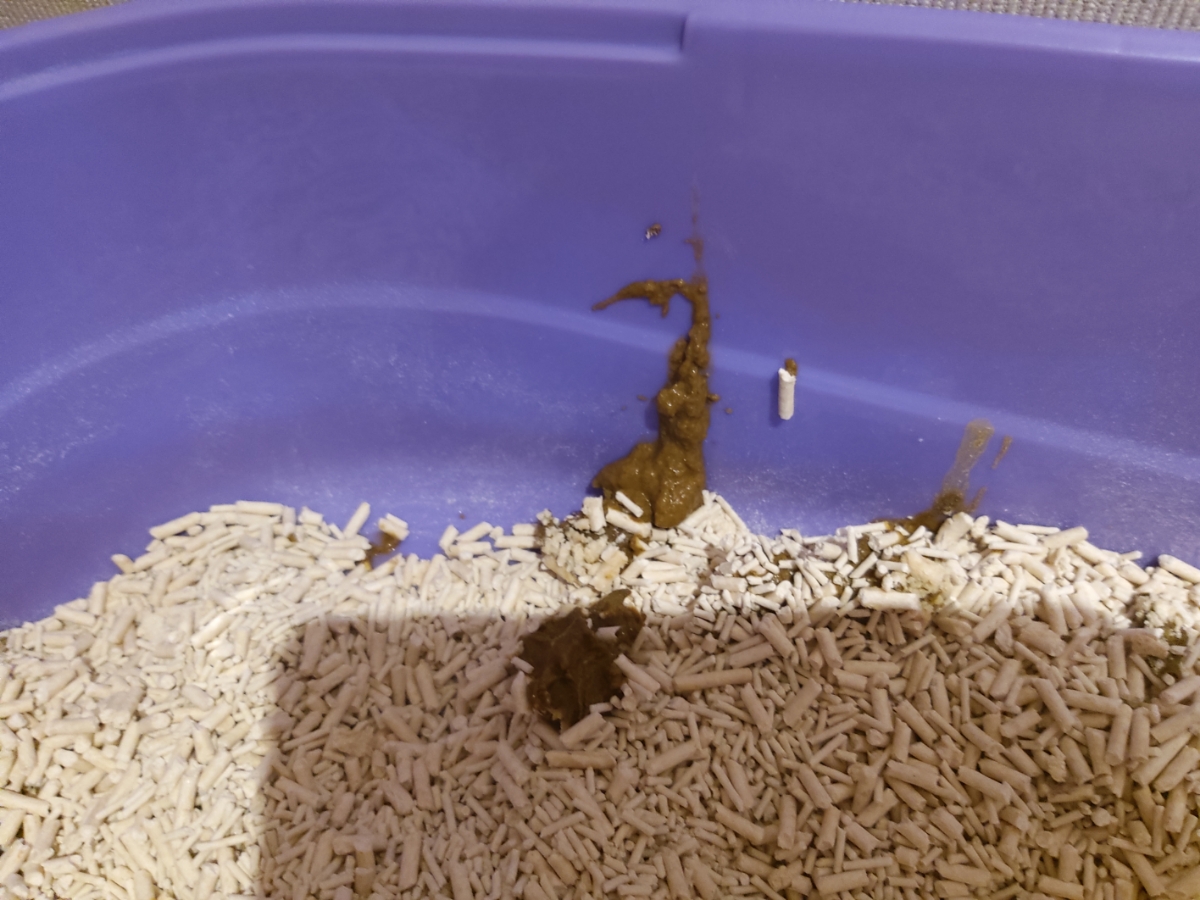
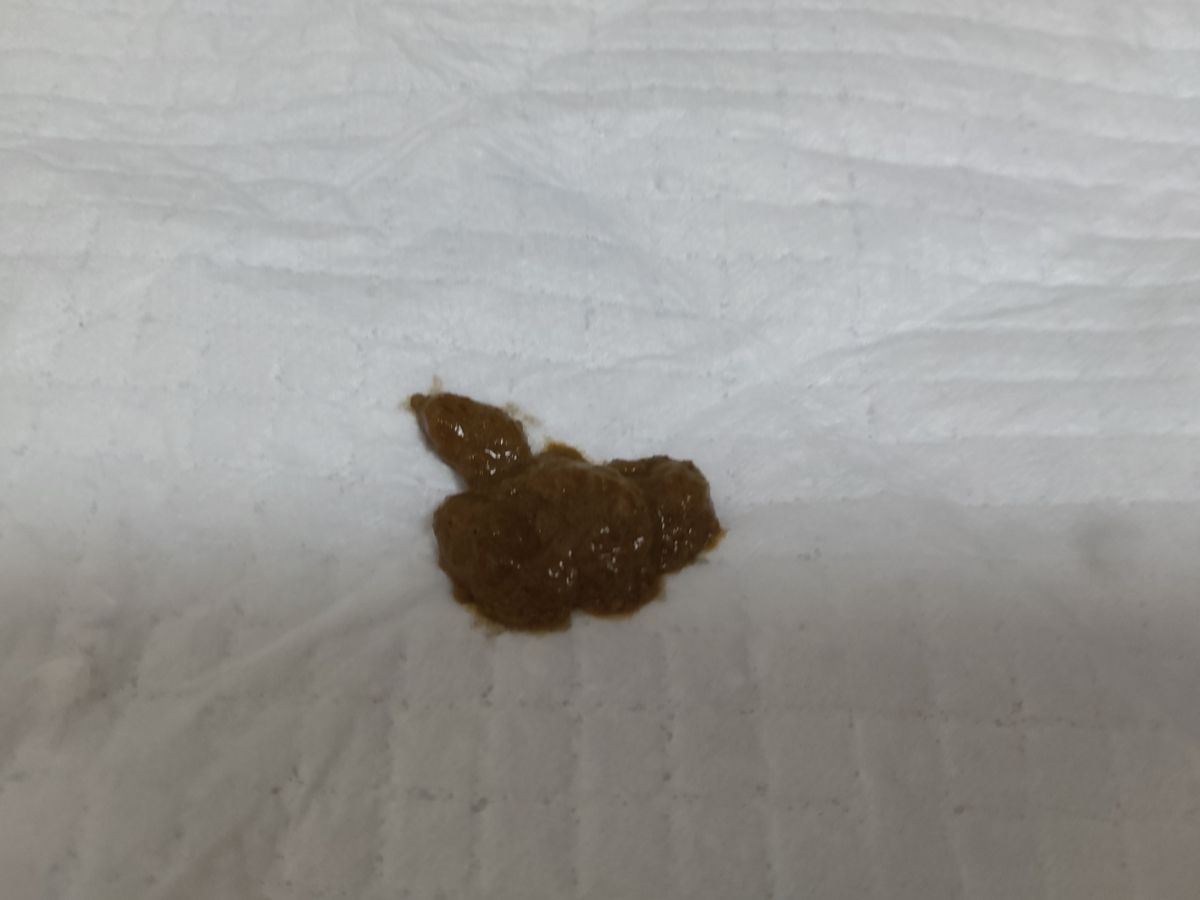
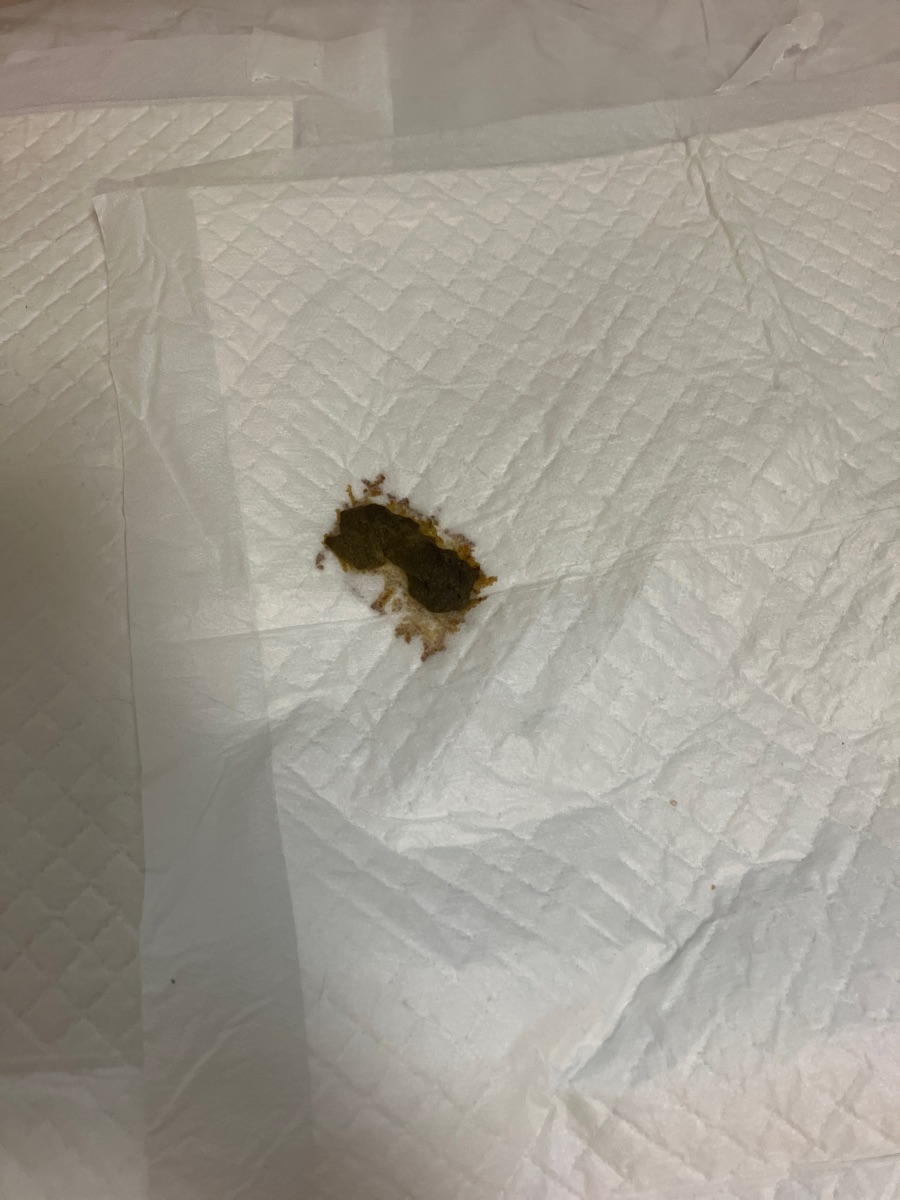
A B2B dataset for research institutes, university labs, and pet health R&D teams. Review the data structure, field schema, and per-field coverage first, then ask about a license that fits your research.
This dataset is for research, education, ML development, and service evaluation. Coordinates marking the stool region inside each image (bounding boxes) are not included.
When users record pet stool entries in the Barabom app, images and condition labels are collected together. The video below shows the actual recording flow.
The video shows the collection flow. Scope and licensing terms are discussed separately.
Ways to use pet image data for AI training
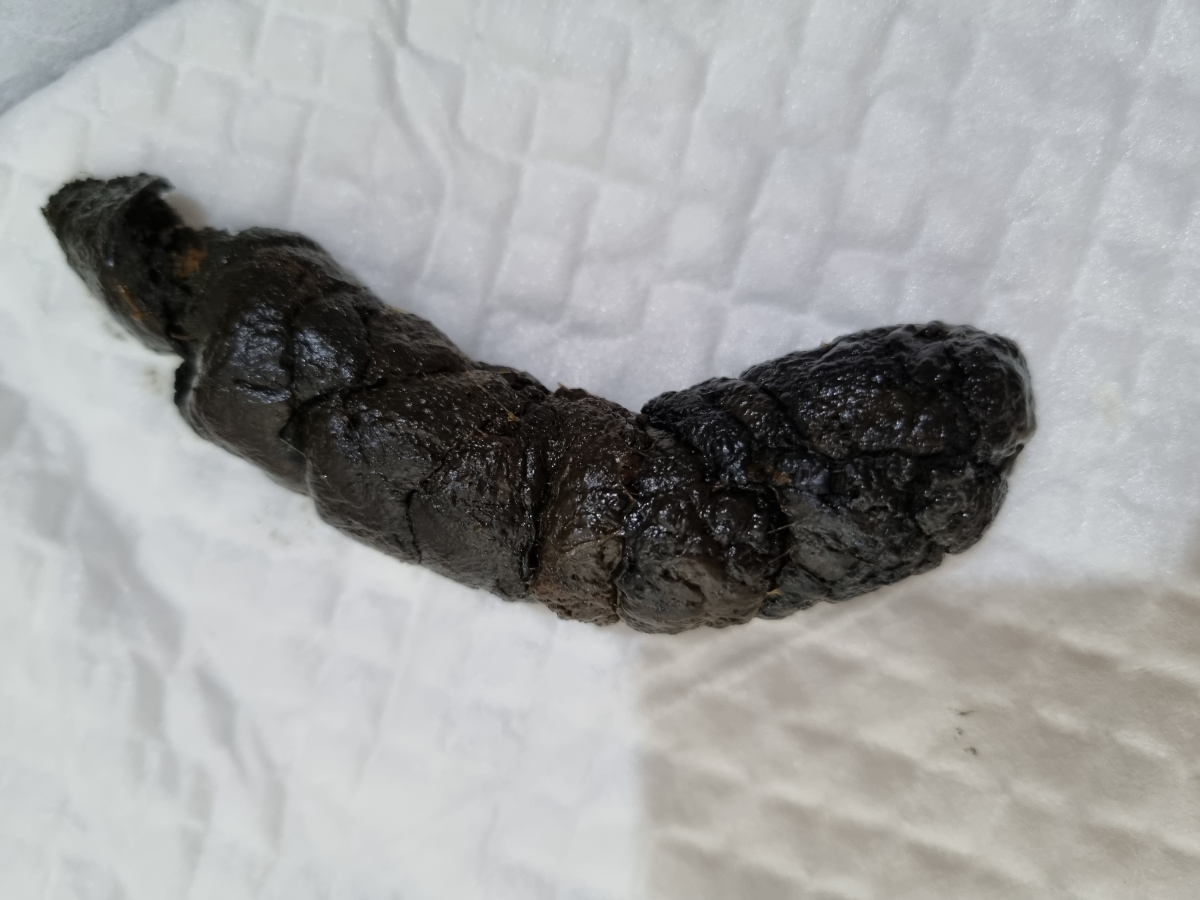
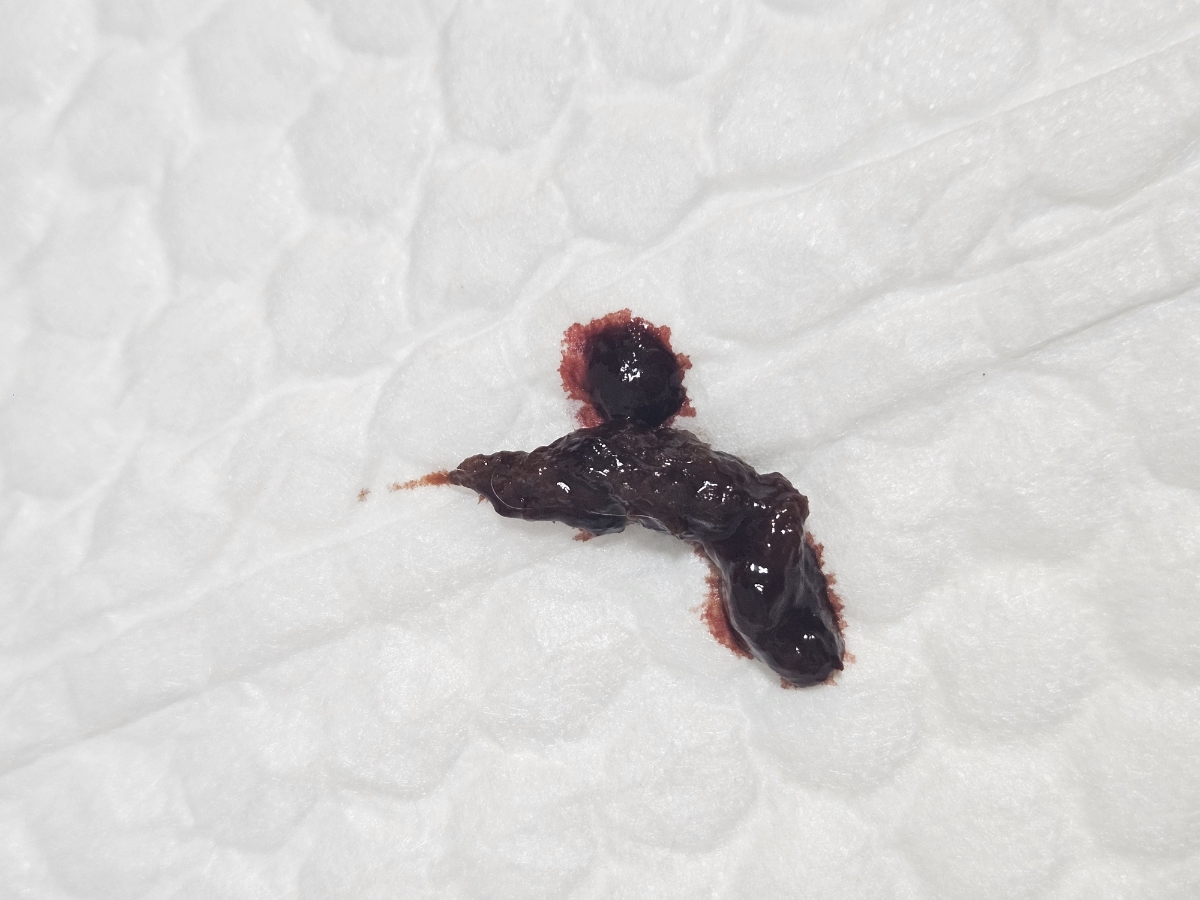
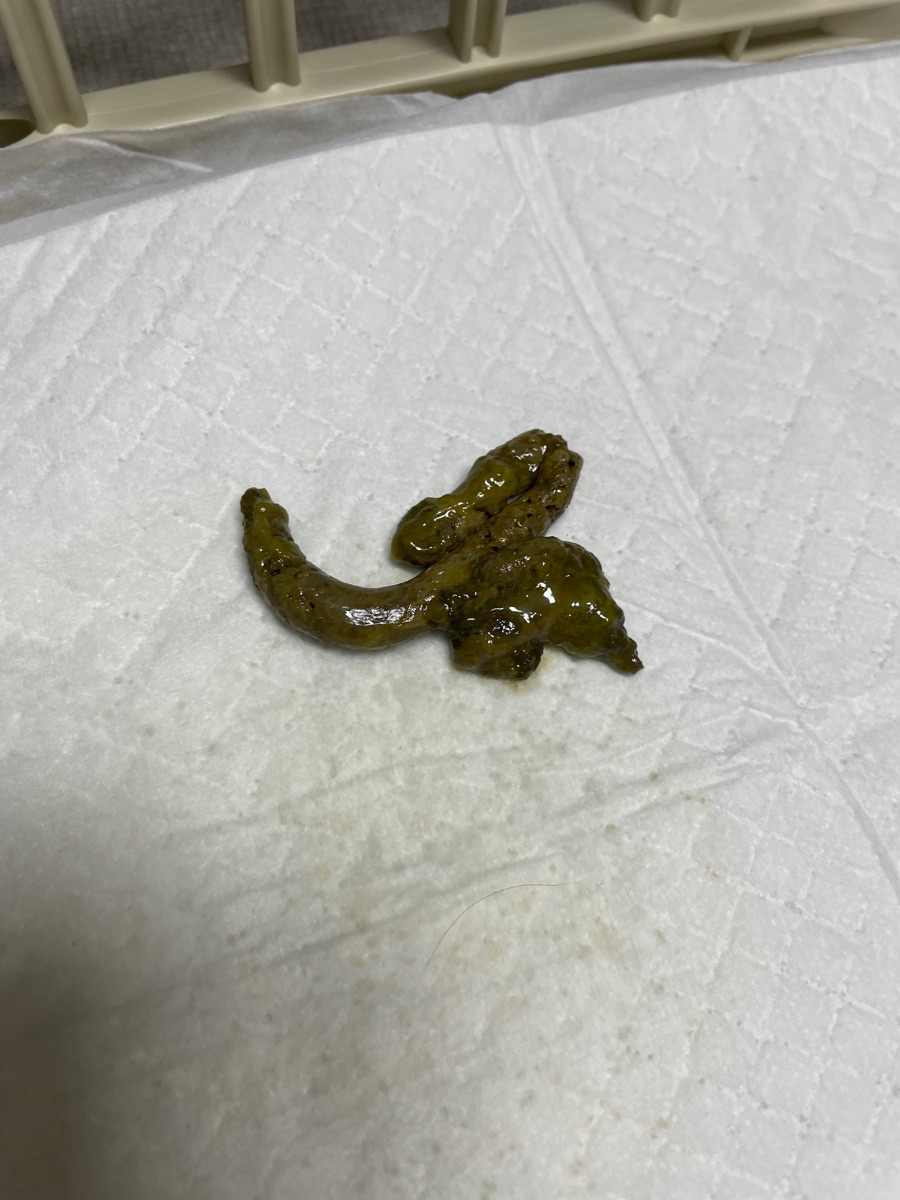
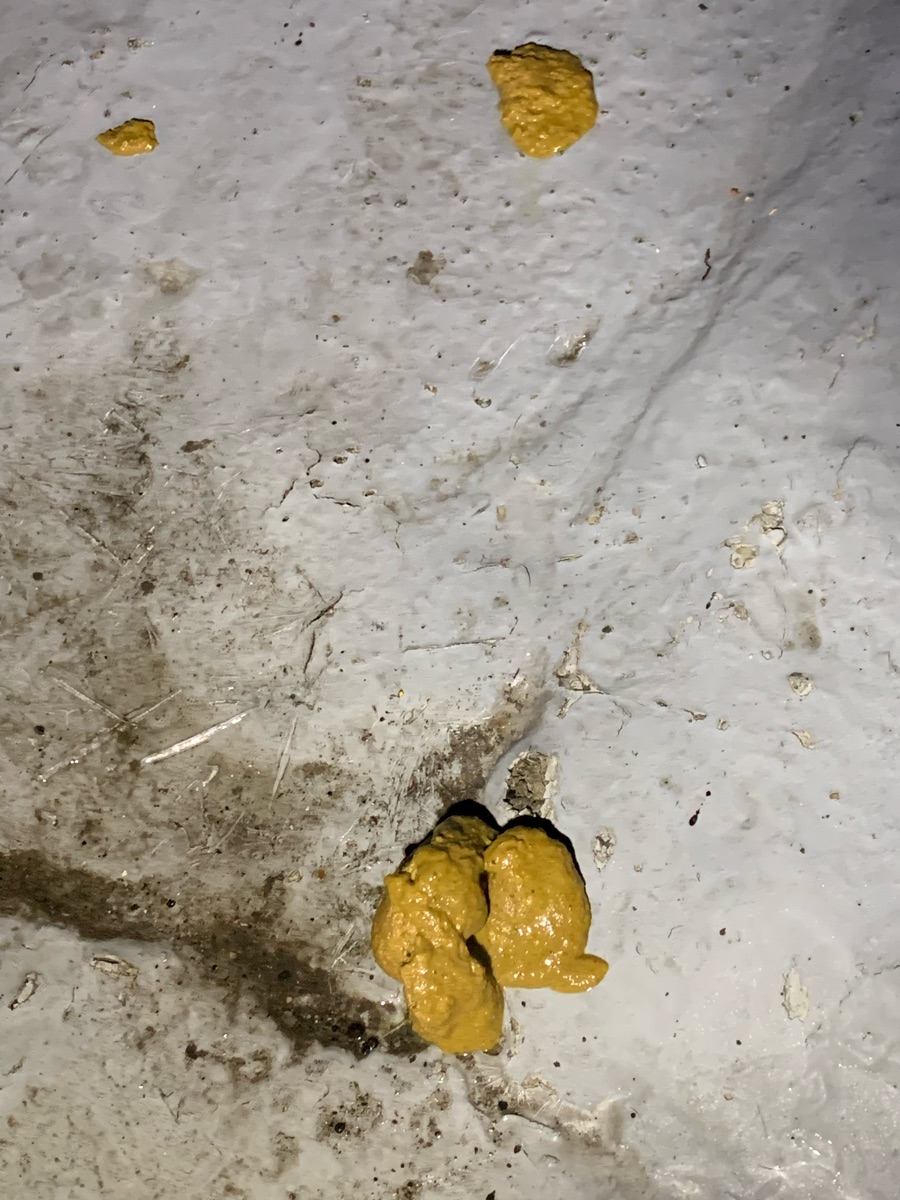
Use dog and cat stool images with label data for computer vision model training, image classification research, and AI image training data review. The source images and metadata are suitable for research institutes, university labs, pet health R&D teams, and data buyers to review quality.
AI research at institutes and universities - Research institutes, universities, and graduate labs can use the data to train and validate computer vision models.
Graduate theses and industry academic projects - Use the image labeling data for cross-disciplinary research in AI, data science, and veterinary medicine.
Computer vision image classification - Train and compare models that classify color and shape labels in pet stool images.
Pet health R&D and product PoCs - Pet healthcare companies and veterinary R&D teams can use the data for observation support service PoCs.
Label validation for AI and data teams - Review preprocessing, label consistency, and error analysis for AI training image datasets.
AI data sourcing and procurement review - Companies, institutions, and data purchasing teams can review source data and labeled data.
Quarterly records and coverage
Record counts are based on the labeled records in each year and quarter. Coverage is the share of records holding a real value once missing and empty values are excluded. Because owners enter the data themselves it may differ from the actual condition, so missing counts are published as they are.
Quarterly annotation records
16,066 Labeled images - Annotation records collected from Q1 2022 through Q2 2024.
9 fields Metadata per record - petType, breed, petSex, petSize, petHair, neuterYn, petBirth, poopColor, poopShape
99.80% Highest field coverage - Measured on neuterYn. Coverage and missing counts are published as they are.
Birth date (petBirth): 99.43% - 15,975 records / missing 91. Records where petBirth contains a real date string
Body size (petSize): 87.41% - 14,044 records / missing 2,022. Records entered as small, medium, or large
Hair length (petHair): 92.80% - 14,910 records / missing 1,156. Records entered as l or s
Neutered (neuterYn): 99.80% - 16,034 records / missing 32. Records entered as y or n
Stool color (poopColor): 81.71% - 13,128 records / missing 2,938. Records with a non-null color label
Stool shape (poopShape): 96.79% - 15,550 records / missing 516. Records with a non-null shape or condition label
Actual enum value distribution
Animal type (petType)
Four values, dogs and cats included
dog: 62.91% - 10,107 records
cat: 36.99% - 5,943 records
small_animal: 0.05% - 8 records
other: 0.05% - 8 records
Sex (petSex)
Two values
f: 52.74% - 8,474 records
m: 47.26% - 7,592 records
Body size (petSize)
Small, medium, large and missing share
small: 50.20% - 8,065 records
medium: 26.55% - 4,266 records
large: 10.66% - 1,713 records
null: 12.59% - 2,022 records
Hair length (petHair)
Long, short and missing share
l: 49.50% - 7,953 records
s: 43.30% - 6,957 records
null: 7.20% - 1,156 records
Neutered (neuterYn)
Neutered status and missing share
y: 67.29% - 10,811 records
n: 32.51% - 5,223 records
null: 0.20% - 32 records
Stool color (poopColor)
Seven colour labels
Chocolate: 75.48% - 12,126 records
null: 18.29% - 2,938 records
Yellow: 3.08% - 495 records
Black: 1.52% - 245 records
Bloody: 1.18% - 189 records
Green: 0.43% - 69 records
Purple: 0.02% - 4 records
Stool shape (poopShape)
Eight shape labels
NORMAL_1: 64.45% - 10,354 records
DIARRHEA_2: 10.18% - 1,635 records
NORMAL_2: 8.65% - 1,389 records
DIARRHEA_1: 5.52% - 887 records
DRY_1: 3.53% - 567 records
null: 3.21% - 516 records
DIARRHEA_4: 2.88% - 462 records
DIARRHEA_3: 1.59% - 256 records
Key purchase information
Frequently asked questions about the stool image dataset
Clear answers about dataset size, included fields, price, license scope, and delivery.
Page last reviewed:
What is included in the dataset?
It contains 16,066 image-based annotation records collected from Q1 2022 through Q2 2024, plus petType, breed, petSex, petSize, petHair, neuterYn, petBirth, poopColor, and poopShape metadata.
How many dog and cat records are included?
The petType field contains 10,107 dog records, 5,943 cat records, 8 small_animal records, and 8 other records, for 16,066 records in total.
How much does the dataset cost?
The standard purchase price is USD 2,900. Contact Barabom before purchase if you need a separate commercial partnership or extended license.
What does the license allow?
Buyers may use the data for internal research, analysis, AI model development, and service evaluation. Raw-data resale, unauthorized redistribution, and uploads to public repositories are prohibited.
How is the dataset delivered after payment?
After payment is verified, a download link is sent to the email address entered at checkout. The link is valid for 30 days and supports up to 10 downloads.
What limitations should teams review before training?
The data was submitted by Barabom app users and may contain label inconsistencies, missing values, and image-quality variation. Coordinates marking the stool region inside each image (bounding boxes) are not included either.
Review the data, then ask about a license
Tell us your research goal and intended scope of use, and we will confirm what we can provide.